
In today's plastics industry, simply shaping and molding materials is never enough. We at Erk-Han see plastic not merely as a static raw material, but as a living ecosystem that must be protected at the molecular level against the destructive external factors it will face from production to end use. By their nature, plastics are destined to weaken structurally when exposed to aggressive environmental factors such as heat, ultraviolet radiation, mechanical shear forces, oxygen, moisture, metal ions and chemical agents. Stopping this process of polymer degradation, known in the industry as aging and breakdown, is our greatest engineering passion. To achieve flawless, long-lasting production, we must analyze in the finest detail the conditions under which a polymer degrades and know which advanced-technology additives will stop this destruction.
| Type of degradation | Trigger | What happens? | Protection |
|---|---|---|---|
| Thermal and thermomechanical | Barrel temperature, screw shear forces | Chain scission, yellowing, black burn specks | Heat stabilizers and processing aids |
| Autoxidation | Oxygen + heat | Free radicals, embrittlement, loss of gloss | Antioxidants (primary + secondary) |
| Photo-oxidative | 290–400 nm UV radiation | Yellowing, fading, chalking, cracking | UV absorbers and HALS |
| Chemical antagonism | Sulfur/chlorine-based agrochemicals, acidic environment | The light stabilizer is deactivated | Acid scavengers, low-basicity HALS |
| Hydrolytic | Moisture + high processing heat | Ester and amide bonds break, foaming | Desiccant & antigas masterbatch, chain extenders |
| Metal-catalyzed | Copper, iron, manganese, cobalt ions | Oxidative aging accelerates many times over | Metal deactivators |
| Environmental stress cracking | Internal stress + detergents, oils, surfactants | Sudden fracture | Impact modifiers, flow modifiers |
| Biological, ozone, radiation | Microorganisms, ozone, gamma rays | Staining, odor, ozone cracking, yellowing | Antimicrobial, antiozonants, radiation stabilizers |
Thermal and Thermomechanical Degradation: The Battle on the Production Line
During extrusion or injection molding, plastics are exposed to enormous temperatures inside the barrel and to tremendous mechanical shear forces generated by the rotating screw. This aggressive mechanical and thermal stress on the production line causes the long carbon chains that hold the polymer together to break mercilessly or, in some polymer types, leads to unwanted crosslinking. As the chains break, the molecular weight of the material drops, the melt flow index becomes uncontrollable, the viscosity balance is disrupted, yellowing or black burn specks begin to appear on the surface, and that remarkable physical strength is lost within seconds. This is exactly where the heat stabilizers and polymer processing aids we develop in Erk-Han laboratories come into play. These special masterbatch formulations coat the inner surface of the barrel like a molecular film, preventing the plastic from sticking to the metal and burning, radically reducing internal friction and preserving the molecular structure of the polymer so that it can be processed safely at much lower temperatures.
The Destructive Effect of Oxygen: The Autoxidation Cycle and Antioxidant Mechanisms
From the moment plastic products leave the mold and enter service, they undergo a slow but continuous chemical reaction with atmospheric oxygen, namely autoxidation. When the heat and shear energy trapped during production combine with this process, hydrogen atoms are stripped from the polymer chains and unstable, aggressive species called free radicals are formed. These free radicals combine with oxygen in the air to form peroxy radicals and then hydroperoxides. This self-propagating destructive chain reaction robs the material of its flexibility, wipes out its impact strength, makes it brittle and leaves its surface gloss to a dull fatigue. To stop this invisible enemy, we use our antioxidant additives as a flawless shield. Our phenolic primary antioxidants sacrifice their own hydrogen atoms to capture these free radicals the moment they form, neutralizing them directly and breaking the reaction chain. Our phosphite- and thioester-based secondary antioxidants, in turn, decompose the harmful hydroperoxides accumulating in the system into harmless, stable products before they turn into radicals. Thanks to this dual, synergistic defense mechanism, we protect the melt during production and extend the service life of the plastics you produce by decades.
- InitiationHeat and shear energy strip hydrogen from the chain, forming a free radical.
- Reaction with oxygenThe radical reacts with oxygen to form a peroxy radical, then a hydroperoxide.
- Chain destructionHydroperoxides generate new radicals; flexibility and impact strength are lost.
- The shieldThe primary antioxidant captures the radical, the secondary antioxidant decomposes the hydroperoxide.
Solar Radiation: Photo-Oxidative Degradation and Light Stabilizers
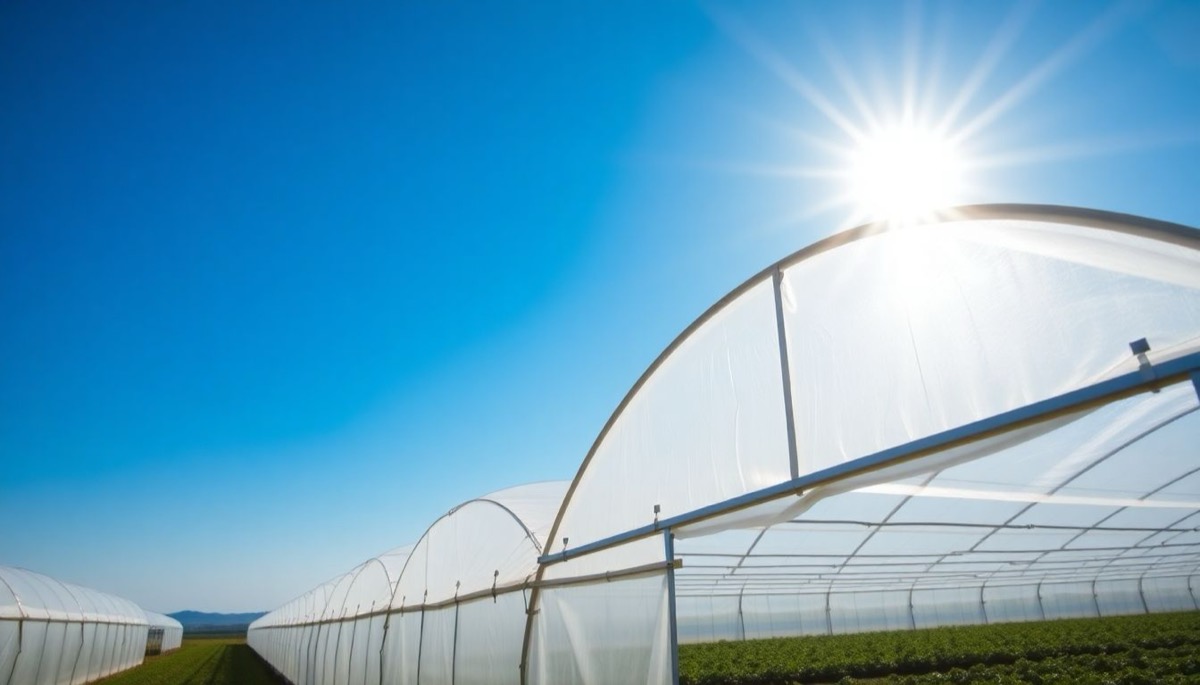
Agricultural greenhouse films, automotive exterior trim parts, stadium seats, garden furniture and infrastructure pipes used outdoors in particular are the direct and relentless target of the ultraviolet rays emitted by the sun. Ultraviolet photon energy from the sun at wavelengths between 290 and 400 nanometers carries radiation strong enough to break even the strong carbon bonds that hold plastic molecules together. A plastic product damaged by ultraviolet light first loses its identity, yellowing and fading in color; then microscopic cracks and flaking known as chalking begin on its surface; and in the final stage it shatters to pieces at the slightest physical impact. At Erk-Han, we produce advanced ultraviolet absorbers and light stabilizers to stop this radiation damage. Our ultraviolet absorber formulations draw the sun's harmful rays into their molecular structure just like a sponge and release this destructive radiation as micro-scale heat energy that does not harm the product. Our hindered amine light stabilizer formulations, meanwhile, build a smart, cyclic chemical defense shield that finds and scavenges every free radical the sun generates, regenerating itself continuously without being consumed in the process.
| Additive | Structure | Function |
|---|---|---|
| Primary antioxidant | Phenolic | Captures the free radical by donating its own hydrogen, breaking the chain |
| Secondary antioxidant | Phosphite, thioester | Decomposes hydroperoxides into harmless products before they become radicals |
| UV absorber | — | Absorbs UV radiation and converts it into harmless heat energy |
| HALS (hindered amine light stabilizer) | Hindered amine | Scavenges free radicals and regenerates itself without being consumed |
| Acid scavenger | — | Neutralizes catalyst residues and acidic chemicals |
| Metal deactivator | Chelating agent | Traps metal ions in a molecular cage |
| Chain extender | Reactive | Reconnects broken molecular chain ends, increasing viscosity |
Synergy, Antagonism and Acid Scavenger Systems in Chemical Environments
Polymer protection is not just about combining random additives; it is the art of managing the chemical compatibility of these additives with one another. For example, sulfur- and chlorine-based agrochemicals used in agricultural greenhouses, or certain flame retardant additives, can create an acidic environment that paralyzes basic light stabilizers and completely disables the protective shield. To prevent this conflict, called antagonism in chemistry, we develop special acid scavenger systems and new-generation low-basicity light stabilizers at the Erk-Han R&D center. The acid scavenging agents we integrate into our formulations neutralize catalyst residues within the polymer and acidic chemicals coming from outside, protecting machinery from corrosion and guaranteeing that the antioxidant and ultraviolet package works at full performance.
Hydrolytic Degradation, Chemical Attack and Chain Repair Technologies
Some special materials in the polymer world are extremely sensitive to acids, bases, solvents or high moisture. Condensation polymers in particular, such as polyethylene terephthalate, polycarbonate, polyurethane or polyamide, undergo an irreversible molecular breakdown called hydrolysis when they come into contact with water molecules and are exposed to high processing heat. At high temperature, water molecules act like a knife, cutting the polymer's ester and amide bonds. Moisture is the most insidious danger, causing plastic to rot from within, foam and lose its mechanical strength completely. Our moisture and gas scavenger masterbatch formulations chemically trap and eliminate, during processing, the water molecules that try to break the polymer's bonds. At the same time, our reactive chain extender additives capture the molecular chain ends broken by hydrolysis or thermal processing and reconnect them, repairing the polymer chain. In this way, we preserve the chemical integrity of waste plastics, raise their intrinsic viscosity values and return them to the circular economy at their original, first-day quality.
Metal-Catalyzed Degradation and Metal Deactivators in Infrastructure Systems
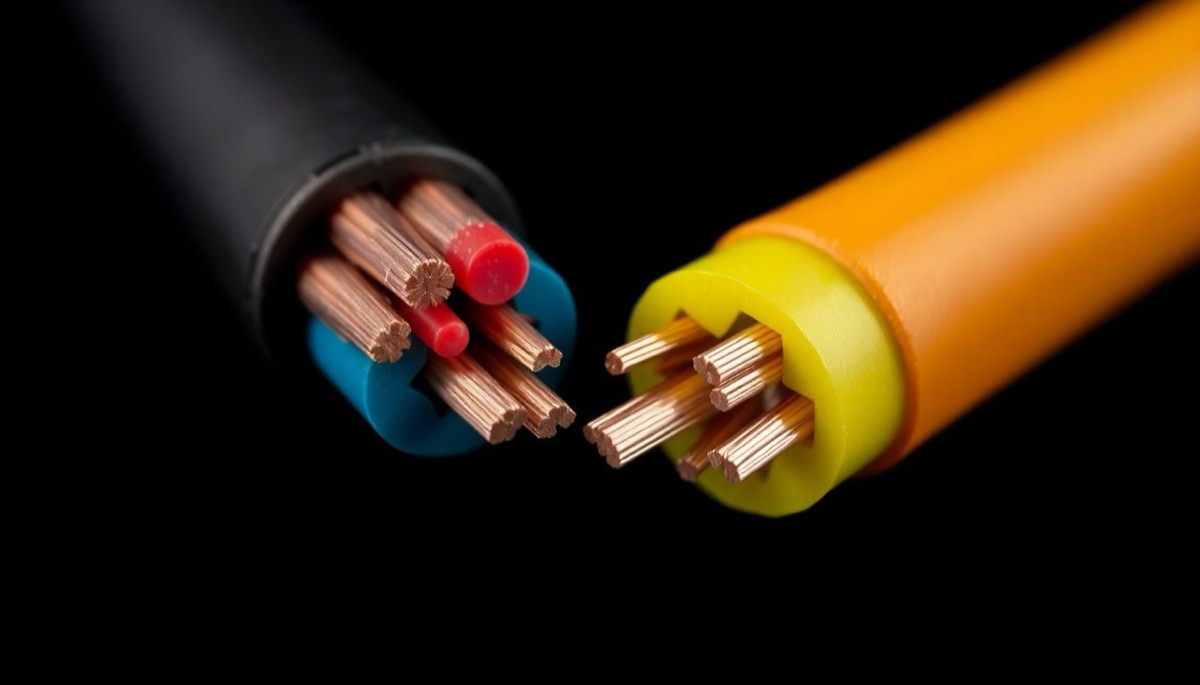
Another important danger in the plastics industry, often overlooked but with devastating consequences, is metal-catalyzed degradation. Plastic insulation layers in direct contact with copper or aluminum conductors, especially in power and communication cables, as well as polymers joined with metal parts in the automotive industry, are at great risk. When ions of transition metals such as copper, iron, manganese and cobalt migrate into the polymer matrix, they act as very powerful catalysts that accelerate the decomposition of hydroperoxides and speed up oxidative aging many times over. Standard antioxidants are insufficient to stop this metal effect. Our metal deactivator masterbatches, which we at Erk-Han have specially designed for the cable and automotive industries, chelate the harmful metal ions by trapping them in a molecular cage and completely prevent them from reacting with the plastic. This ensures that underground cables and critical automotive components operate safely for decades.
Environmental Stress Cracking and Resistance to Surfactants
Roughly one quarter of premature field failures of plastic parts result from a physical and chemical interaction called environmental stress cracking. When a plastic part that retains internal stress from molding or has been subjected to mechanical load during assembly comes into contact with detergents, oils, cosmetic chemicals or surfactants, the molecular chains slide past one another and separate. Without any chemical bond breaking, microscopic crazing first begins on the surface of the material, and then the part suddenly fractures and fails. To overcome this problem, which is seen across a wide range of applications from detergent bottles to household appliance parts and automotive fluid reservoirs, we offer our manufacturers full protection with special impact-modifying elastomer modifications that support the molecular weight distribution of the polymer and with flow modifier additives that eliminate internal stresses in the mold.
Biodegradation, Ozone Attack and Protection Against Sterilization Radiation
The attacks plastics are exposed to are not limited to heat and sunlight. Plastics used underground, in water pipes or in humid environments are subject to biological attack by microorganisms such as bacteria, fungi and algae. Through the enzymes they secrete, these organisms consume the plasticizers and additives in the polymer as food, causing staining, unpleasant odor and structural embrittlement in the material. Similarly, ozone gas in the atmosphere attacks double bonds, particularly in rubber- and elastomer-based seals, creating deep ozone cracks. In the medical sector, the high-energy gamma rays and electron beam irradiation applied to sterilize medical devices such as syringes and IV sets break polypropylene chains, causing the product to yellow and become brittle. As Erk-Han engineering, we stand by plastic even under the toughest conditions with our silver- and zinc-ion antimicrobial masterbatches that keep microorganisms away from the surface, our antiozonant systems that prevent ozone cracking, and our radiation stabilizers that enable medical plastics to retain their transparency and flexibility even under gamma radiation.
Additive Migration, Quality Control Testing and the Legacy We Leave for the Future
The success of a protection package depends on the active additives remaining homogeneously within the material throughout the life of the polymer. Additives that are of poor quality or incompatible with the polymer bloom to the plastic surface over time; that is, they migrate and form an oily or powdery layer on the surface, leaving the plastic defenseless. In every formulation we develop, we match the solubility parameters of the carrier polymer and the active chemicals at the nanometric level, providing permanent, non-migrating protection. We do not leave these protective shields to chance; we verify them scientifically in our laboratories with oxidative induction time tests, thermogravimetric analyses and accelerated weathering chambers that simulate ten years of sunlight in a few hundred hours.
| Test | What does it show? |
|---|---|
| Oxidative induction time (OIT) | How long the antioxidant package withstands oxidation |
| Thermogravimetric analysis (TGA) | The thermal stability of the material and its mass loss with temperature |
| Accelerated weathering chamber | The effect of ten years of sunlight in a few hundred hours |
At this stage of industrial competition, the use of pure, unprotected plastic now belongs to the dusty pages of the past. Choosing the right combination of antioxidant, ultraviolet protection, metal deactivator and process stabilizer is not only a way to prevent your product from aging prematurely in the field; it is the one strategy that will take your brand quality and industrial reputation to the top. Under the Erk-Han roof, we define quality not merely as giving plastic a shape, but as understanding it at the molecular level, protecting it and carrying it into the future. With science, engineering and an unending passion for production, we will continue to strengthen the genetics of the plastics industry.
Let's choose the right protection package for your project together
Find the additives that suit your needs with our product selector, or consult our laboratory directly.